- Teacher: Admin User

The Fire Safety and Extinguishers Course has been developed to provide workers, supervisors, and employers with in-depth knowledge of fire hazards, prevention strategies, and emergency response procedures. Fire remains one of the most serious workplace risks, capable of causing loss of life, injury, and significant propertydamage.
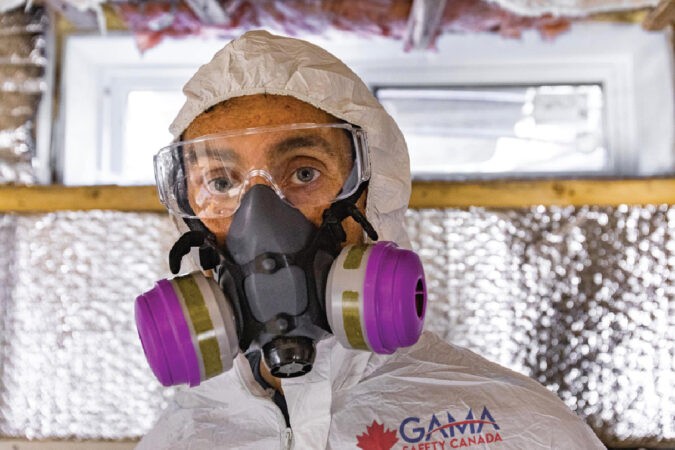
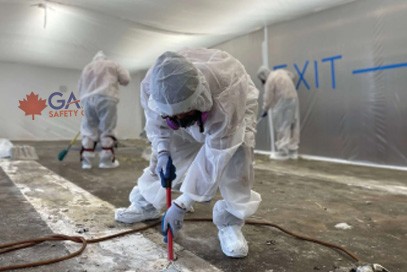
Asbestos Awareness training introduces workers to the dangers of asbestos exposure. The course explains where asbestos may be found, its health effects, and safe avoidance practices. Participants learn how to follow workplace procedures and recognize asbestos hazards. Training ensures compliance with Canadian OHS regulations.

Bear Awareness training is essential for workers in remote or wilderness job sites. The course teaches hazard recognition, safe work practices, and proper responses to bear encounters. Participants also learn preventive measures such as food storage and noise deterrents. Training helps reduce the risk of dangerous wildlife interactions.

Bloodborne Pathogens training prepares workers who may be exposed to infectious materials, such as healthcare or emergency personnel. The course covers modes of transmission, protective equipment, and safe handling of sharps and contaminated materials. Participants also review workplace regulations and exposure control procedures. Training reduces risks of infection and ensures compliance with health standards.
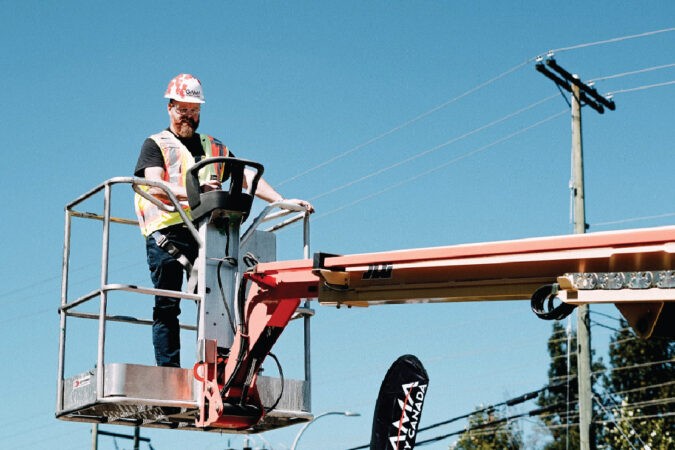
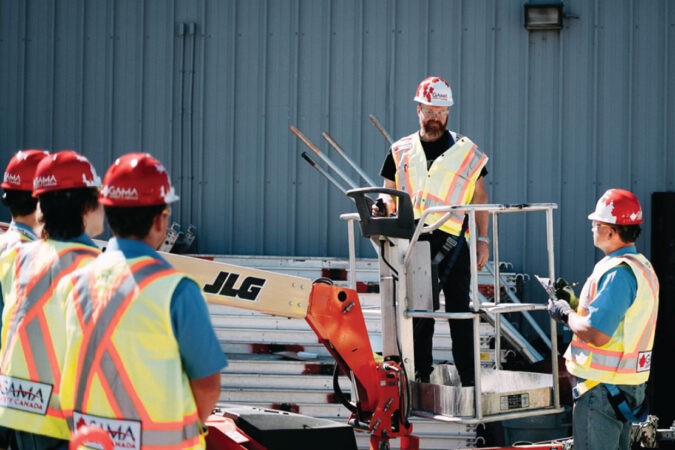
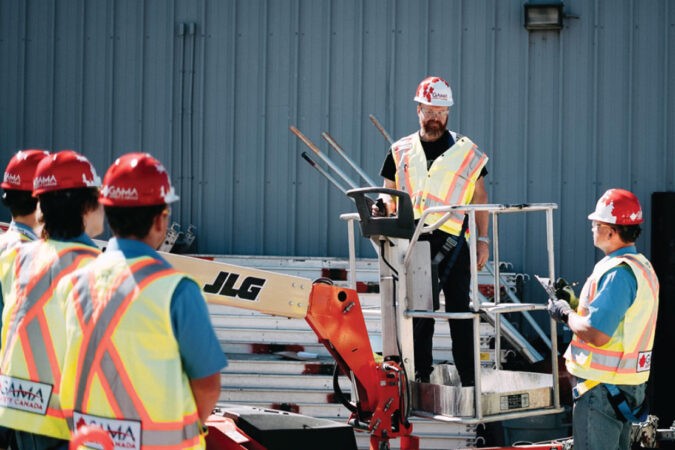
Boom Lift training prepares workers to safely operate articulating and telescopic boom lifts. The course includes hazard recognition, equipment inspection, and safe operation practices. Participants learn about fall protection requirements and regulatory compliance. Certification helps reduce the risks associated with elevated platform work.
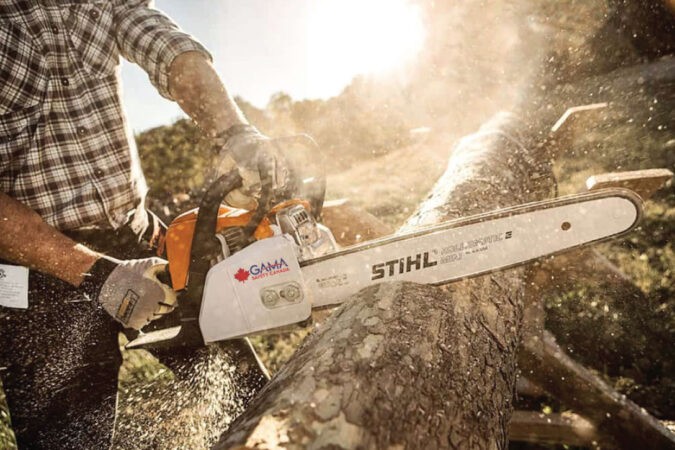
Chainsaw Safety training is intended for workers in forestry, landscaping, and construction. The course teaches proper handling, cutting techniques, and maintenance procedures. Participants learn how to use PPE and identify hazards such as kickback, noise, and flying debris. Certification promotes safe operation and reduces risk of injury.
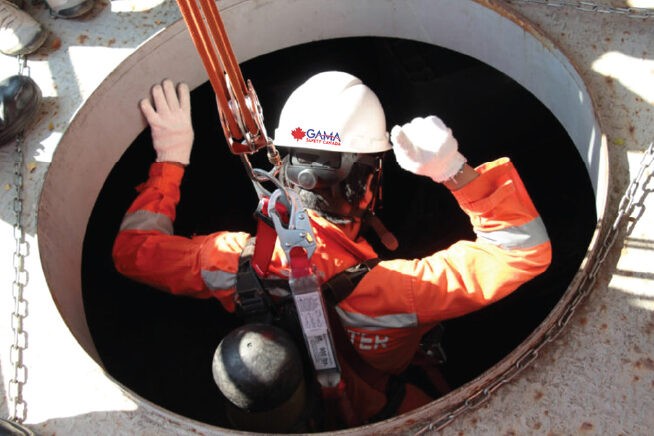
Confined Space training is intended for employees who enter or work near tanks, silos, crawl spaces, and other restricted areas. The course focuses on hazard identification, atmospheric testing, entry permits, and emergency procedures. Workers learn how to recognize life-threatening risks such as oxygen deficiency, toxic gases, or engulfment hazards. Certification ensures compliance with OHS regulations and prepares workers to perform confined space tasks safely.
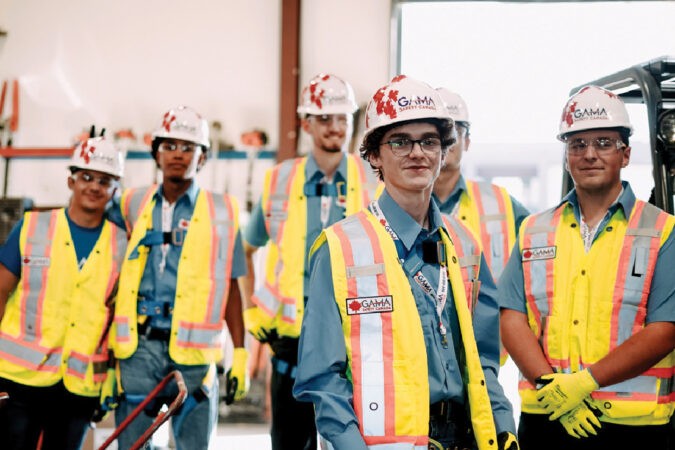
Construction Safety training provides workers and supervisors with a solid foundation in recognizing and controlling jobsite hazards. The course covers topics such as fall protection, tool and equipment use, site communication, and accident prevention. It emphasizes workers’ rights and responsibilities under Canadian safety law. This training is suitable for all construction personnel and helps reduce risks while promoting a safer work environment.
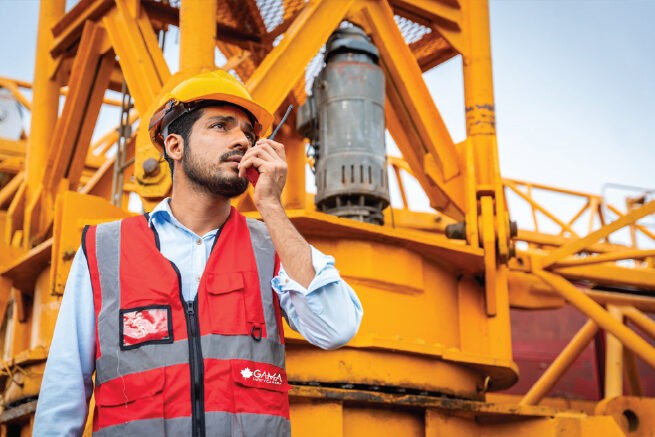
The Crane Operator course prepares workers for the safe operation of cranes used in lifting and moving heavy loads. Participants will learn about equipment inspection, load charts, communication signals, and safe lifting practices. The training also covers regulatory requirements for crane operators across Canada. Successful completion equips workers with the knowledge to safely manage crane operations and prevent workplace accidents.

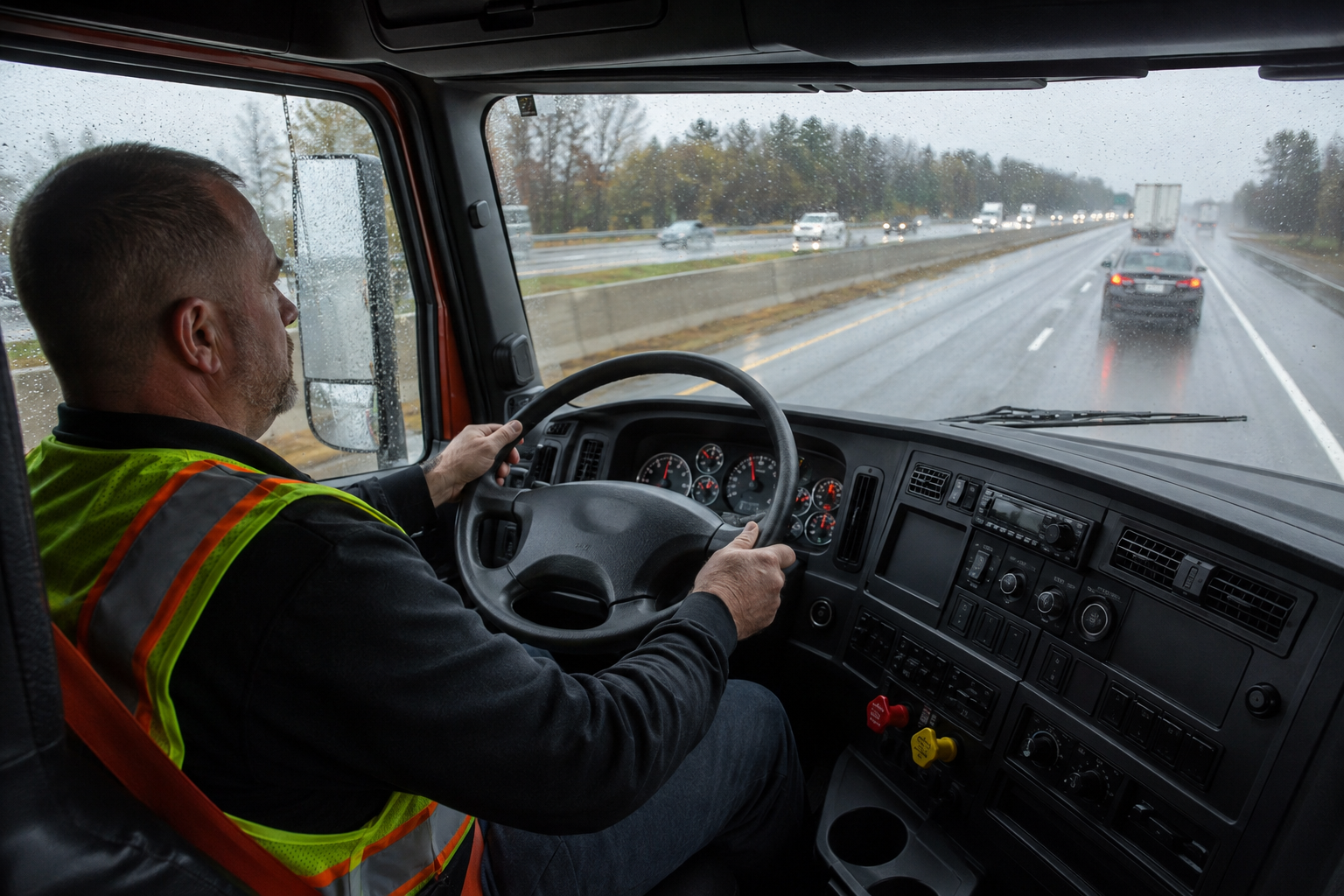
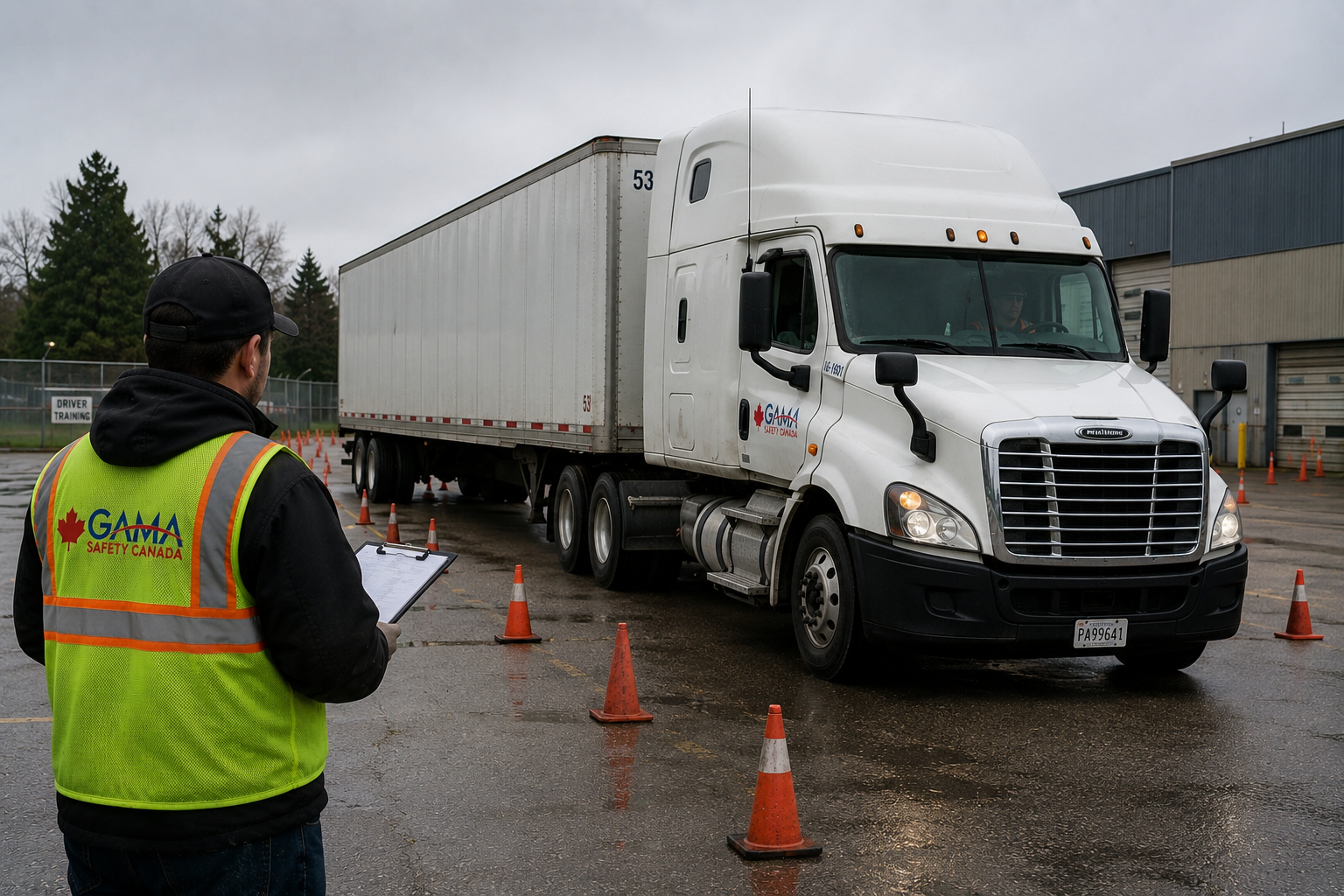
Defensive Driving training is designed for workers who drive company vehicles or operate commercial fleets. The course covers hazard anticipation, safe driving strategies, and compliance with traffic laws. Participants learn how to avoid collisions, manage fatigue, and handle adverse weather conditions. Certification helps reduce accidents and improve fleet safety.
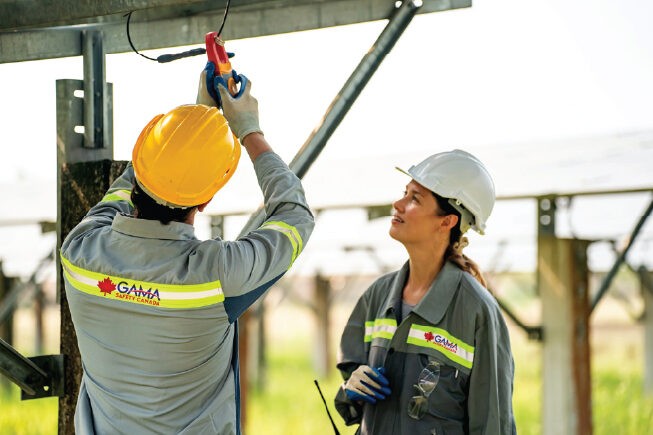
Electrical Safety training is designed for employees who may work with or around electrical systems and equipment. The course covers hazard identification, lockout/tagout procedures, and safe work practices to prevent shocks, burns, and arc flashes. Participants learn about both high- and low-voltage risks and how to apply protective measures. Certification helps employers remain compliant with safety legislation while reducing electrical-related injuries.
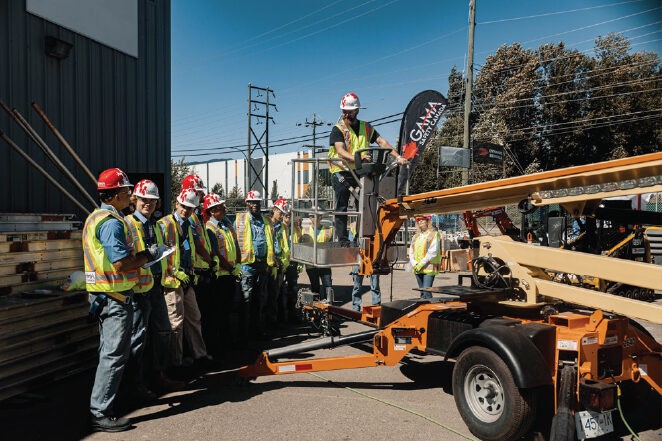
Elevated Work Platforms training covers the safe use of various aerial platforms, including scissor lifts and boom lifts. The course teaches stability, load capacity, and fall protection requirements. Participants also learn inspection procedures and emergency controls. Certification ensures compliance with workplace safety laws and promotes safe work at heights.
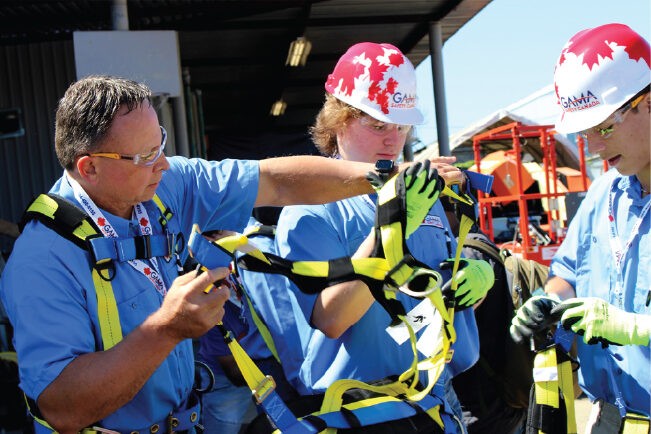
Fall Protection training is mandatory for workers performing tasks at height, including scaffolding, ladders, and elevated platforms. The course covers fall hazards, harness inspection, anchor points, and the correct use of fall arrest systems. Workers learn how to plan and execute work at heights safely while following OHS regulations. This training helps prevent falls—the leading cause of workplace fatalities in construction and related industries.
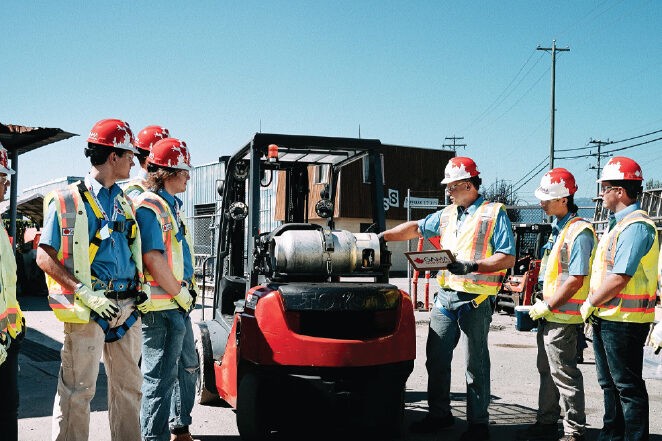
Forklift Operator training equips workers with the skills to operate powered industrial trucks safely. Participants learn pre-operation inspections, load handling, safe driving techniques, and accident prevention strategies. The course also emphasizes legal requirements for certification and workplace compliance. Completing this training reduces the risk of forklift-related incidents while improving productivity in warehouses, factories, and construction sites.
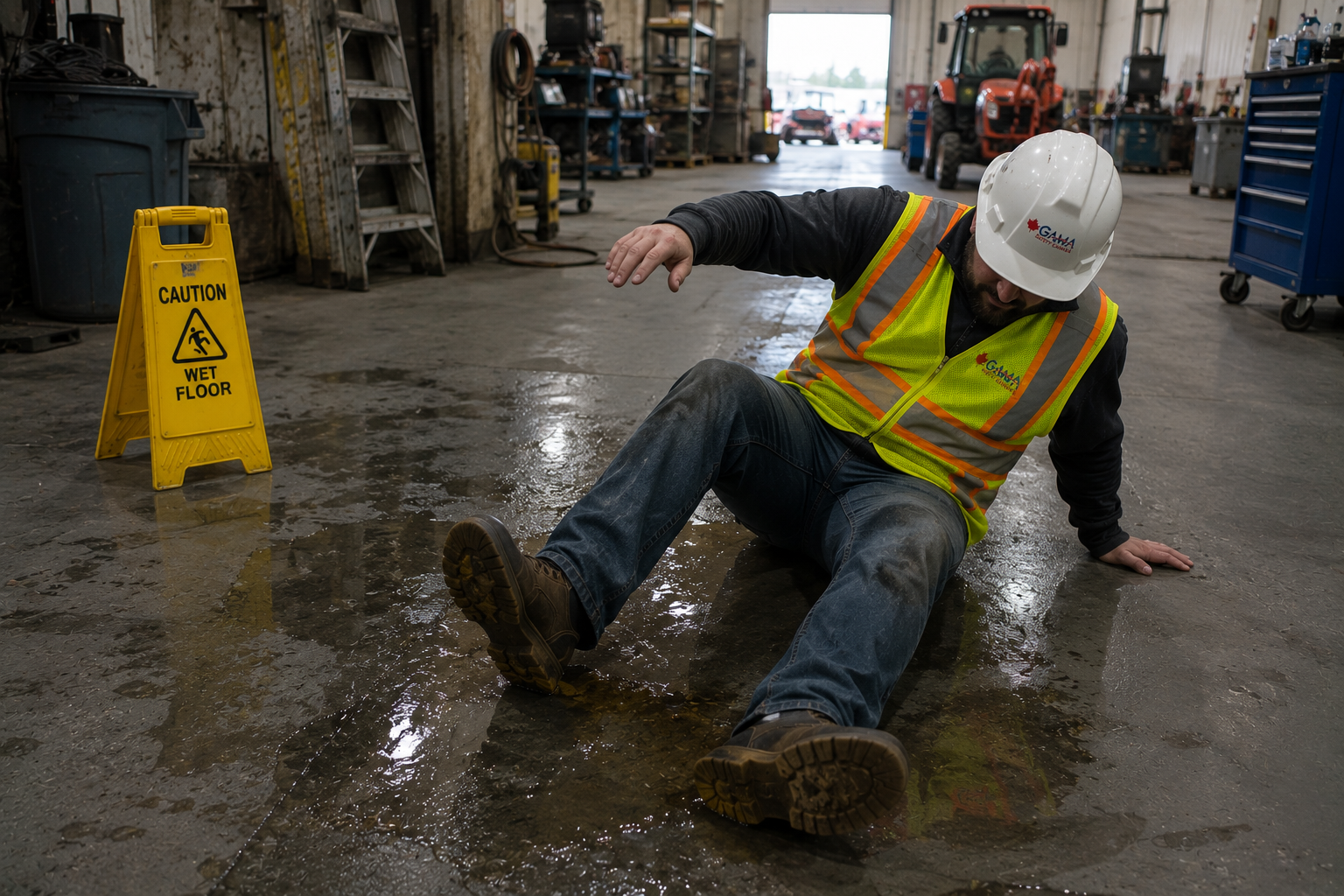
Hazard Recognition training teaches workers how to identify, report, and control workplace risks. The course covers physical, chemical, and ergonomic hazards, along with corrective measures. Participants also learn about regulatory requirements for workplace inspections. Training helps build proactive safety awareness across all industries.
Health Safety Awareness training introduces workers to their rights and responsibilities under Canadian OHS legislation. The course covers hazard reporting, workplace duties, and safe work practices. Participants learn the importance of communication and teamwork in maintaining safety. Training helps ensure compliance and builds a foundation for safer workplaces.
Health Safety for Supervisors training is designed for managers and team leaders. The course explains supervisory responsibilities, hazard management, and legal compliance. Participants learn how to conduct inspections, manage incidents, and promote safety culture. Training ensures supervisors can meet regulatory obligations while protecting their teams.
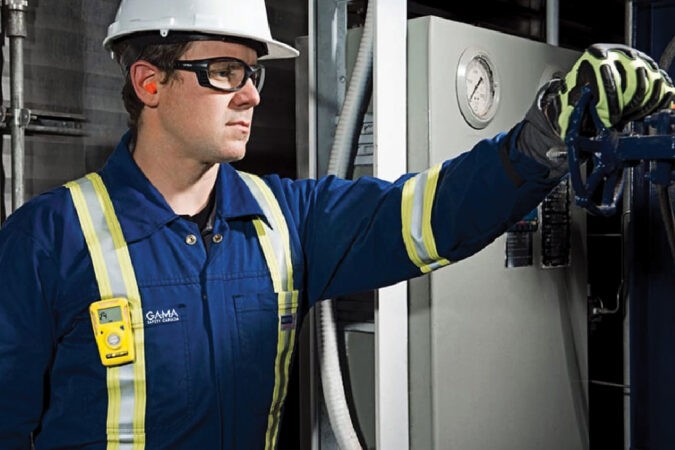
Hydrogen Sulfide training is essential for workers in industries where H2S exposure is possible, such as oil and gas. The course covers detection methods, PPE use, and emergency response procedures. Participants learn about the health risks of H2S and how to act during an exposure event. Certification ensures workers are prepared to work safely in hazardous environments.
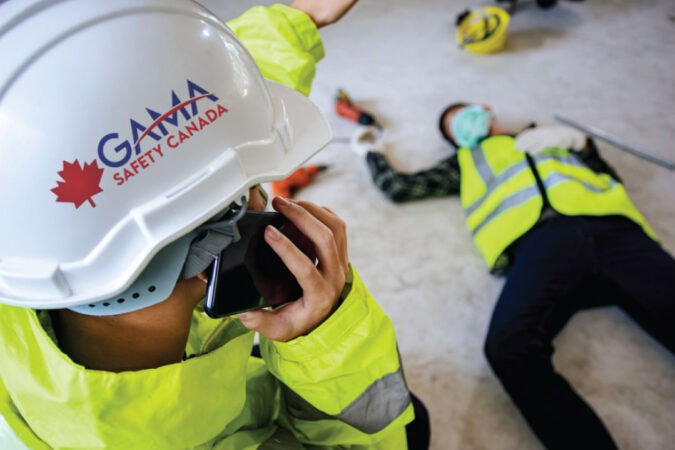
Incident Investigation training provides supervisors and safety personnel with the tools to analyze workplace accidents. The course covers data collection, root cause analysis, and corrective action planning. Participants also review regulatory reporting requirements. Certification equips staff to prevent future incidents and improve workplace safety.
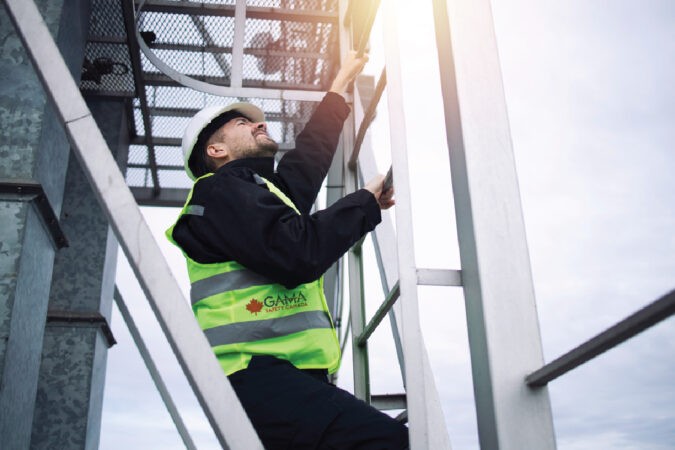
Ladder Safety training is intended for all workers who use ladders in construction, maintenance, or industrial work. The course covers ladder selection, inspection, and proper setup. Participants also learn safe climbing practices and fall prevention techniques. Training reduces the risk of falls and ensures compliance with OHS standards.
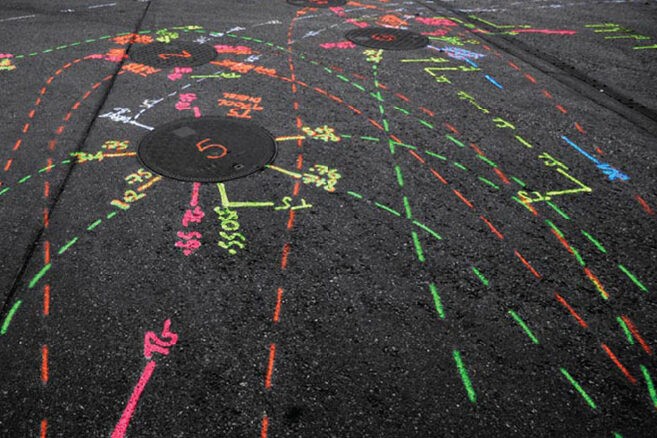
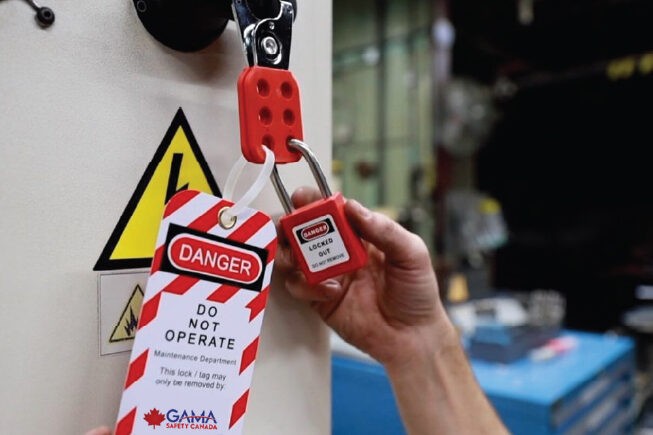
Lock Out / Tag Out training is essential for workers who service or maintain equipment where unexpected start-up could cause injury. The course explains energy control procedures, lockout devices, and the steps required to safely isolate machinery. Participants also learn about employer and worker responsibilities under Canadian safety law. Certification ensures compliance while protecting employees from electrical, mechanical, and chemical hazards.
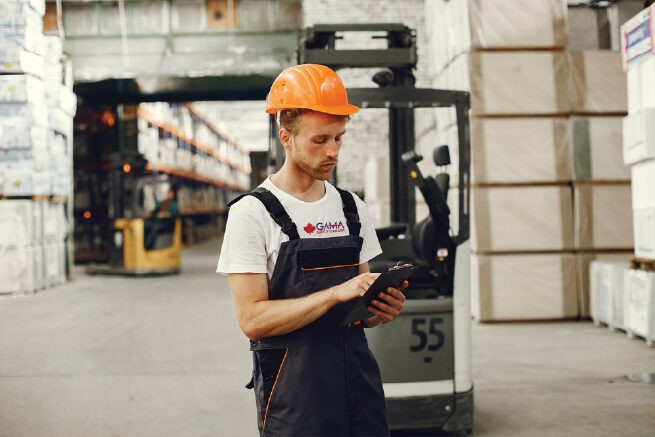
Order Picker training prepares workers to operate elevated order picker equipment in warehouse and distribution environments. The course covers pre-operation inspections, stability awareness, and safe material handling practices. Participants gain knowledge of workplace regulations for powered lift equipment. Completing this training reduces risks of falls, collisions, and improper load handling.
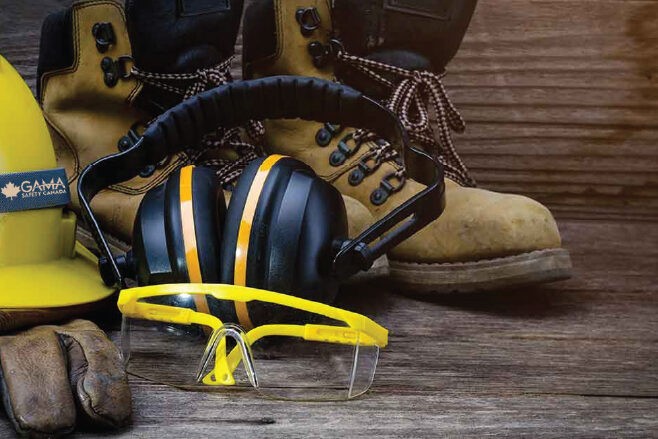
PPE training is designed for all employees who use protective equipment on the job. The course explains selection, proper fit, and maintenance of gear such as helmets, gloves, and respirators. Participants also learn about employer and worker responsibilities under safety law. Training helps ensure consistent and effective use of PPE.
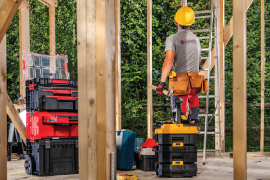
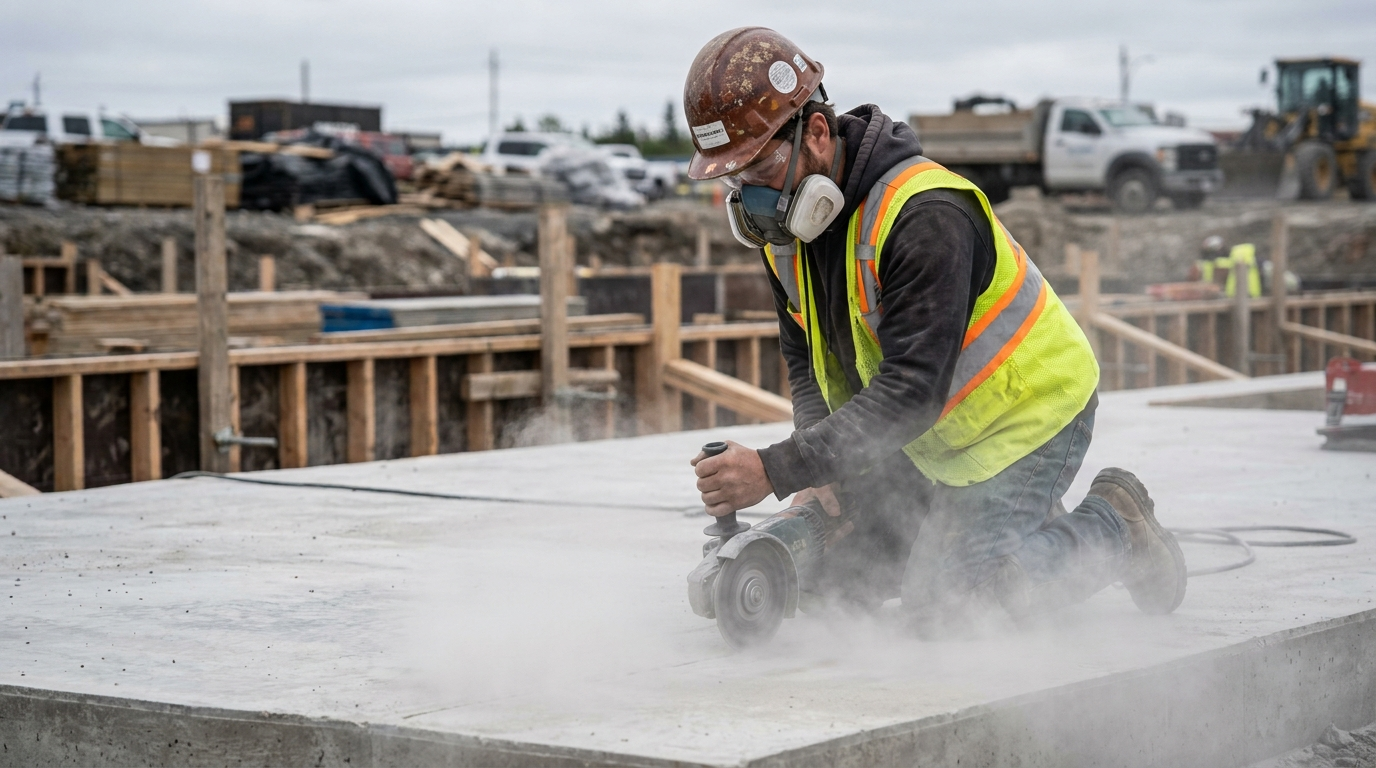
Power Tools training is designed for workers who use portable drills, saws, grinders, and other powered equipment. The course covers proper handling, maintenance, and PPE requirements to prevent injuries. Participants learn about common hazards such as kickback, vibration, and flying debris. Training ensures workers operate tools safely and in compliance with workplace safety standards.
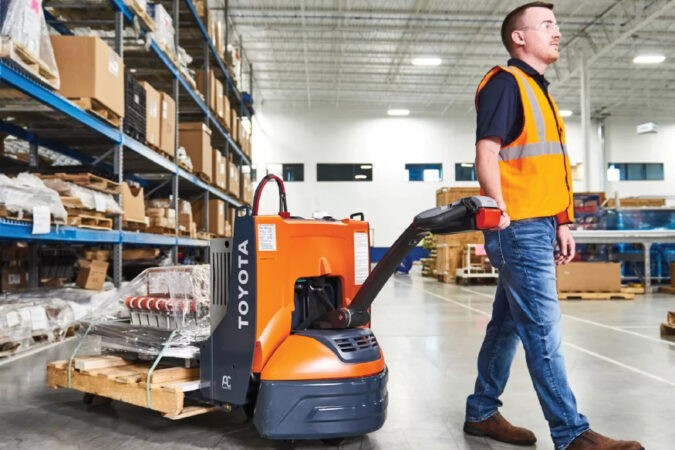
The Power Walkie Safety Training Course is designed to provide operators with the knowledge and practical skills required to safely operate powered pallet jacks (also known as walkies, walkie-riders, or electric pallet jacks). Because these machines handle heavy loads and operate in fast-paced environments, proper training is essential to prevent workplace injuries, pedestrian accidents, and property damage.
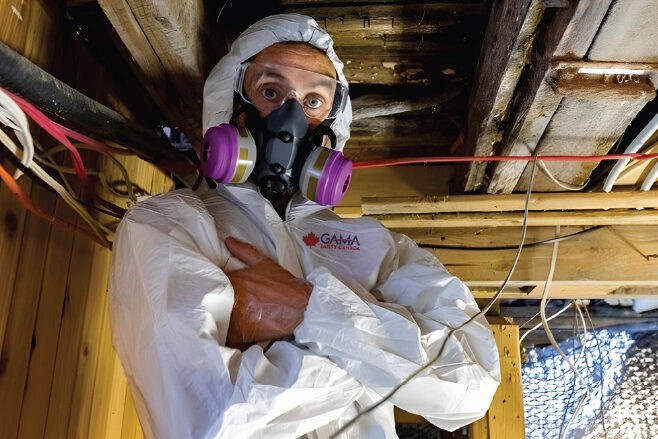
Respirator Fit Testing ensures that workers’ protective masks form a proper seal to guard against dusts, fumes, gases, and other airborne hazards. The session tests both comfort and functionality of respirators in real working conditions. Employees also receive instruction on proper use, care, and limitations of respiratory protection. Testing and training are required by Canadian regulations for anyone exposed to airborne contaminants.
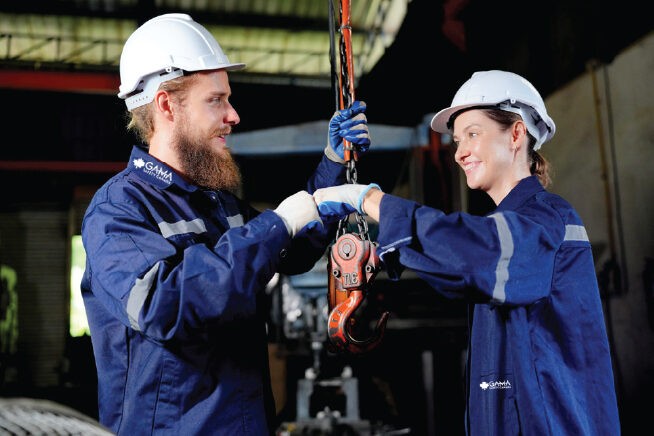
Rigging training provides essential knowledge for workers who attach, secure, and move loads with cranes or hoists. The course includes instruction on rigging hardware, load calculations, and inspection procedures. Participants also review safe lifting techniques and communication protocols with crane operators. Certification ensures compliance and reduces the risk of load failures and accidents.
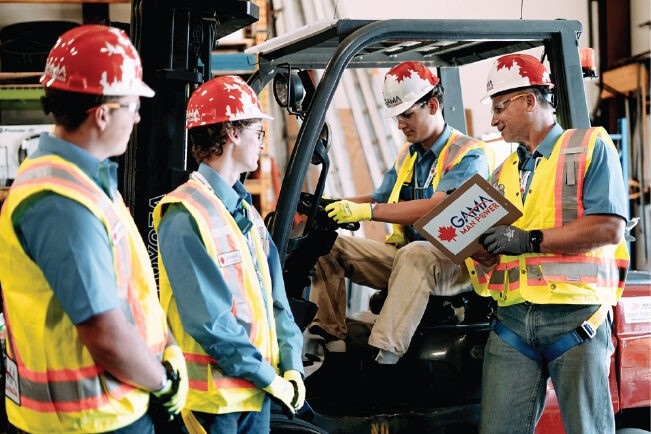
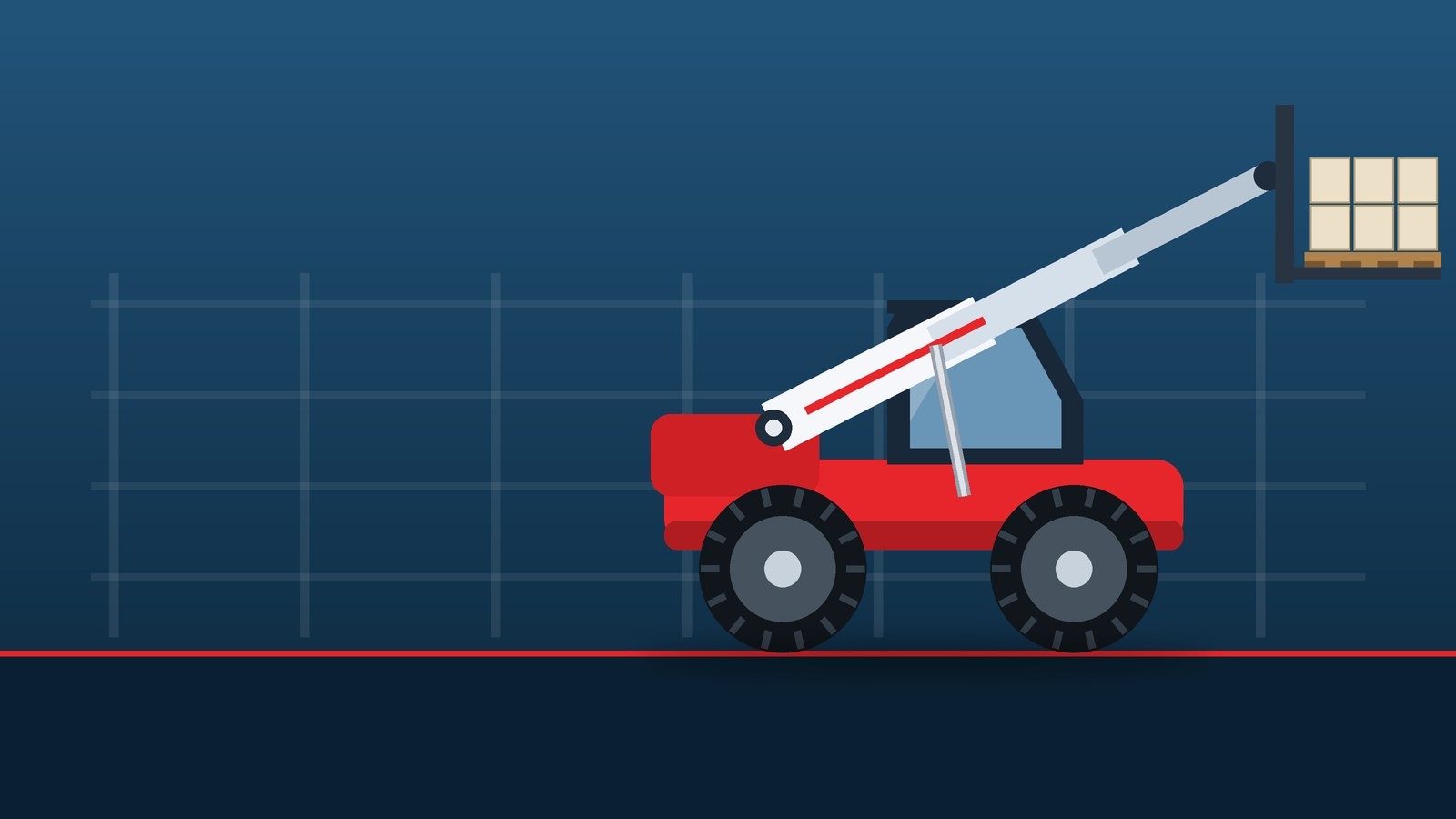
Rough Terrain Forklift training is required for operators who use forklifts on uneven or unstable ground, such as construction and industrial sites. The course teaches safe handling, load stability, and hazard awareness. Participants also learn pre-operation inspection and compliance with provincial OHS standards. Training helps prevent rollovers and accidents in challenging outdoor environments.
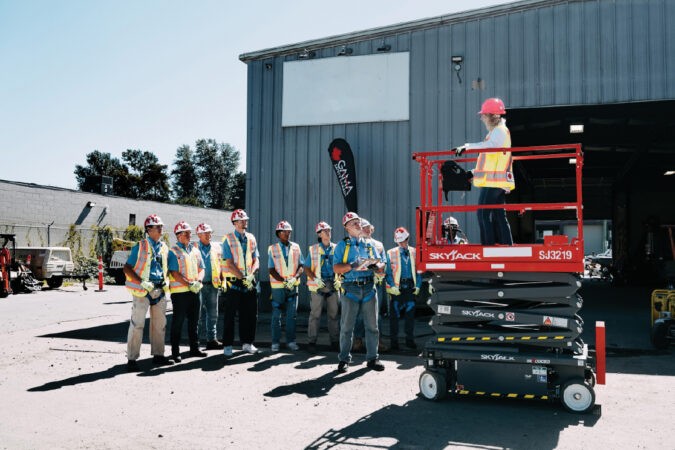
Scissor Lift training is required for workers using scissor lifts in construction and industrial settings. The course covers stability, load distribution, and fall protection requirements. Participants also learn inspection procedures and emergency controls. Training ensures compliance with OHS standards and promotes safer elevated work.
SDCB (Sit-Down Counterbalance) Forklift training is for workers who operate counterbalance lift trucks. The course covers safe driving, load handling, and hazard awareness. Participants also learn pre-operation inspections and regulatory requirements. Training ensures compliance and reduces the risk of forklift accidents.
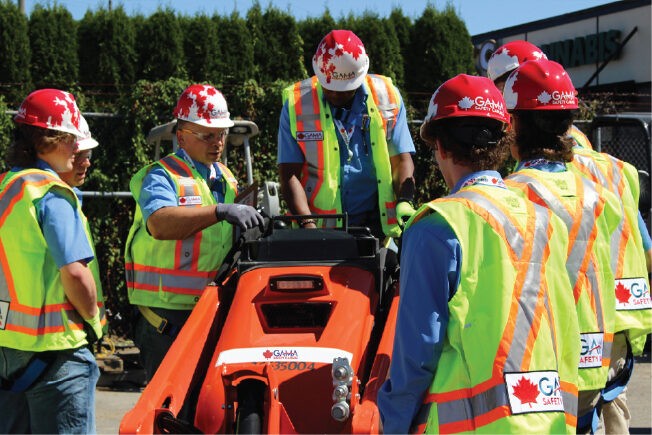
Skid Steer training equips workers with the knowledge to safely operate skid steer loaders. The course covers machine controls, attachment use, and pre-shift inspections. Participants also learn about stability, safe driving practices, and regulatory compliance. Certification ensures safe operation of skid steers in construction, landscaping, and industrial workplaces.
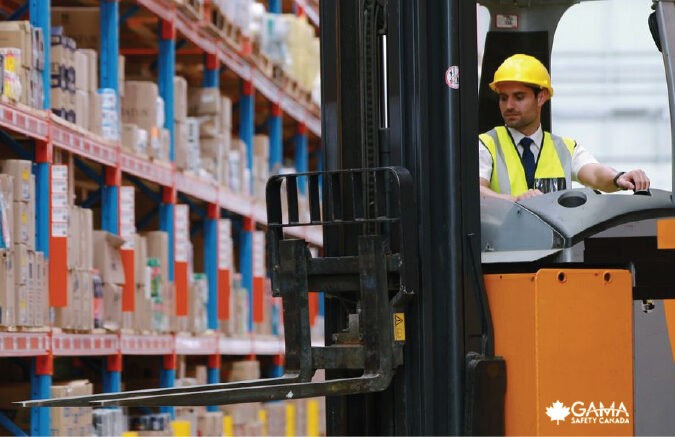
Stand Up Reach training is designed for warehouse workers who operate reach trucks in tight or high-racking environments. The course covers maneuvering, load handling, and stability awareness. Participants learn how to inspect and operate equipment in compliance with workplace safety standards. Training reduces risks of collisions and improves warehouse efficiency.
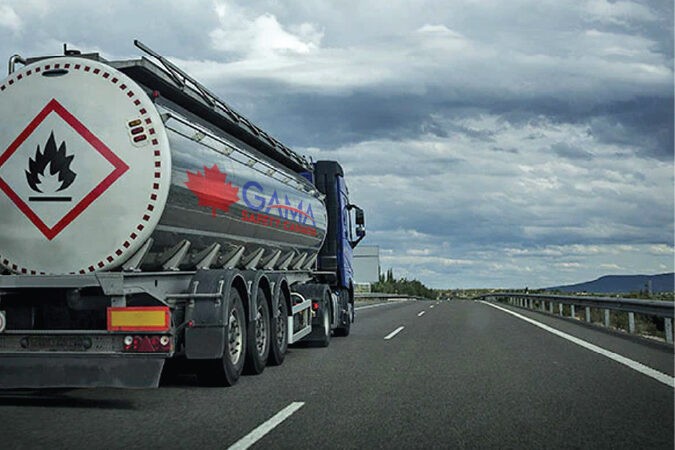
TDG training is required for employees who handle, transport, or ship dangerous goods. The course covers labeling, documentation, packaging, and emergency procedures. Participants learn their responsibilities under federal transportation law. Certification ensures compliance and helps prevent accidents during the handling of hazardous materials.
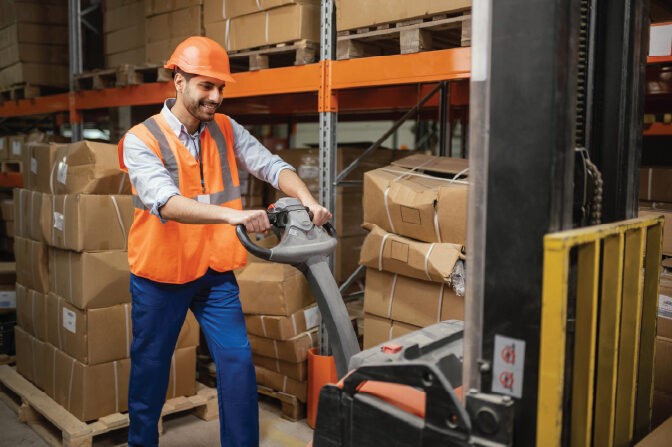
Walk Behind Stacker training provides instruction for workers using powered stackers in warehouses and manufacturing facilities. The course covers equipment controls, safe maneuvering, and load stability. Participants also learn hazard awareness and pre-use inspections. Training ensures compliance while preventing equipment-related accidents.
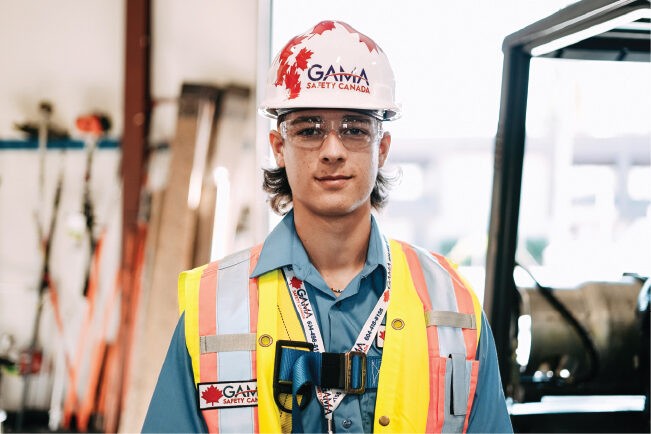
Warehouse Safety training is for all employees in distribution and storage facilities. The course focuses on hazard identification, ergonomics, forklift traffic, and proper material handling. Participants learn strategies to reduce accidents, improve efficiency, and maintain compliance. This training promotes safer, more productive warehouse environments.
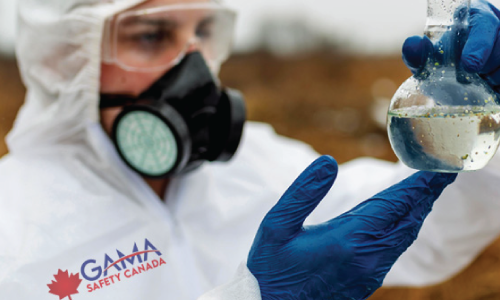
WHMIS training is required for employees who work with or around hazardous products. The course covers labels, Safety Data Sheets (SDS), and safe handling procedures. Participants gain awareness of chemical hazards and their legal responsibilities under Canada’s Hazardous Products Act. Certification ensures compliance and promotes safer workplaces.

Workplace Violence and Harassment training is mandatory for all employees under Canadian law. The course teaches recognition of warning signs, prevention strategies, and reporting requirements. Participants also learn about employer responsibilities and worker rights. Training builds safer, more respectful workplaces.
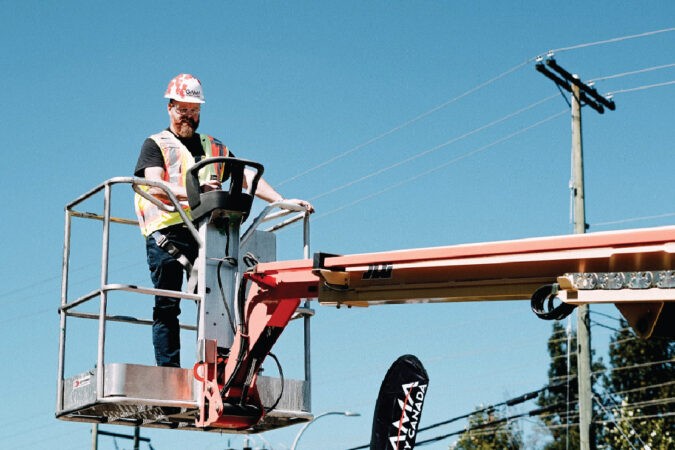
Boom Lift training prepares workers to safely operate articulating and telescopic boom lifts. The course includes hazard recognition, equipment inspection, and safe operation practices. Participants learn about fall protection requirements and regulatory compliance. Certification helps reduce the risks associated with elevated platform work.
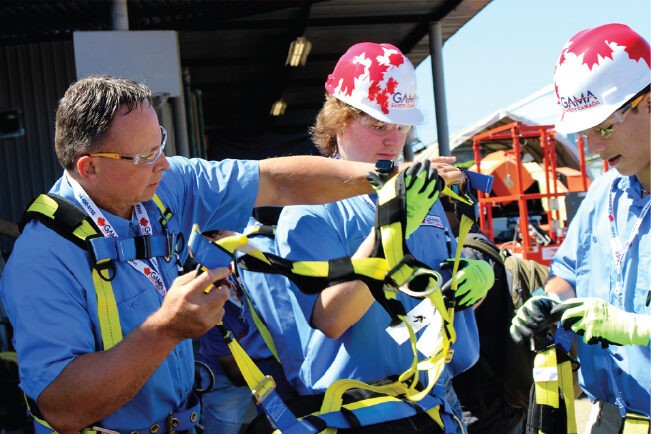
Fall Protection training is mandatory for workers performing tasks at height, including scaffolding, ladders, and elevated platforms. The course covers fall hazards, harness inspection, anchor points, and the correct use of fall arrest systems. Workers learn how to plan and execute work at heights safely while following OHS regulations. This training helps prevent falls—the leading cause of workplace fatalities in construction and related industries.
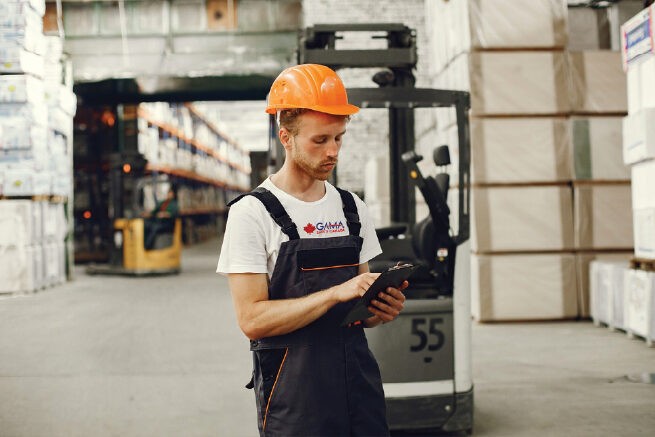
Order Picker training prepares workers to operate elevated order picker equipment in warehouse and distribution environments. The course covers pre-operation inspections, stability awareness, and safe material handling practices. Participants gain knowledge of workplace regulations for powered lift equipment. Completing this training reduces risks of falls, collisions, and improper load handling.
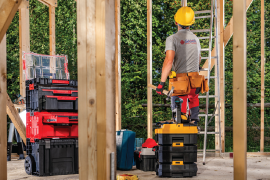
Power Tools training is designed for workers who use portable drills, saws, grinders, and other powered equipment. The course covers proper handling, maintenance, and PPE requirements to prevent injuries. Participants learn about common hazards such as kickback, vibration, and flying debris. Training ensures workers operate tools safely and in compliance with workplace safety standards.
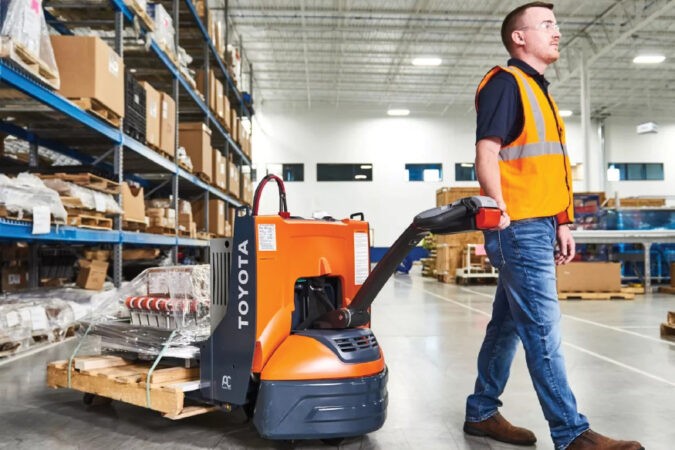
The Power Walkie Safety Training Course is designed to provide operators with the knowledge and practical skills required to safely operate powered pallet jacks (also known as walkies, walkie-riders, or electric pallet jacks). Because these machines handle heavy loads and operate in fast-paced environments, proper training is essential to prevent workplace injuries, pedestrian accidents, and property damage.
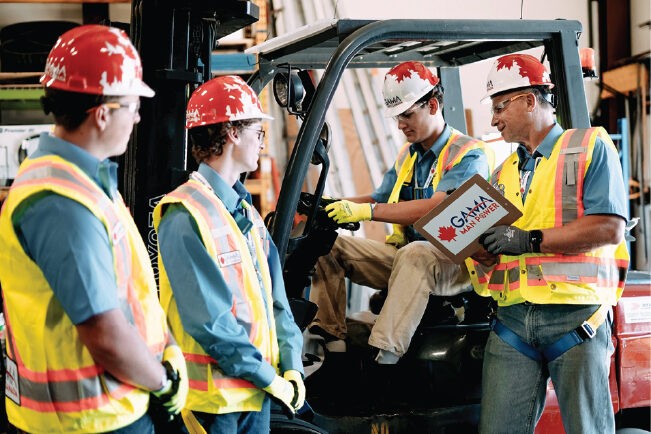
Rough Terrain Forklift training is required for operators who use forklifts on uneven or unstable ground, such as construction and industrial sites. The course teaches safe handling, load stability, and hazard awareness. Participants also learn pre-operation inspection and compliance with provincial OHS standards. Training helps prevent rollovers and accidents in challenging outdoor environments.
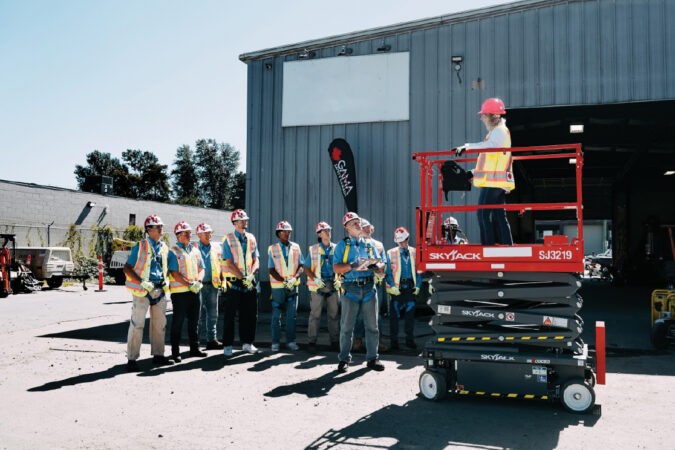
Scissor Lift training is required for workers using scissor lifts in construction and industrial settings. The course covers stability, load distribution, and fall protection requirements. Participants also learn inspection procedures and emergency controls. Training ensures compliance with OHS standards and promotes safer elevated work.
SDCB (Sit-Down Counterbalance) Forklift training is for workers who operate counterbalance lift trucks. The course covers safe driving, load handling, and hazard awareness. Participants also learn pre-operation inspections and regulatory requirements. Training ensures compliance and reduces the risk of forklift accidents.
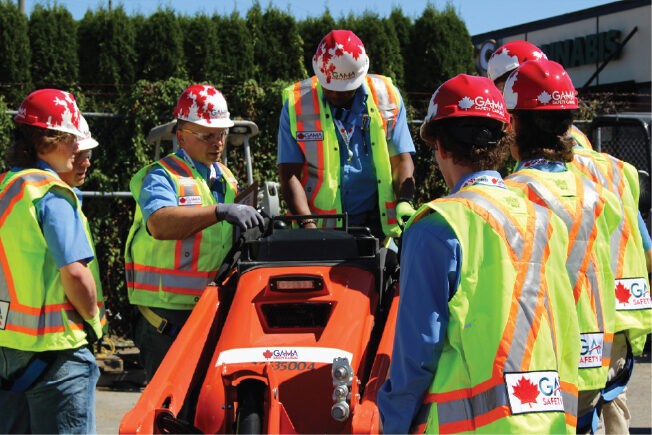
Skid Steer training equips workers with the knowledge to safely operate skid steer loaders. The course covers machine controls, attachment use, and pre-shift inspections. Participants also learn about stability, safe driving practices, and regulatory compliance. Certification ensures safe operation of skid steers in construction, landscaping, and industrial workplaces.
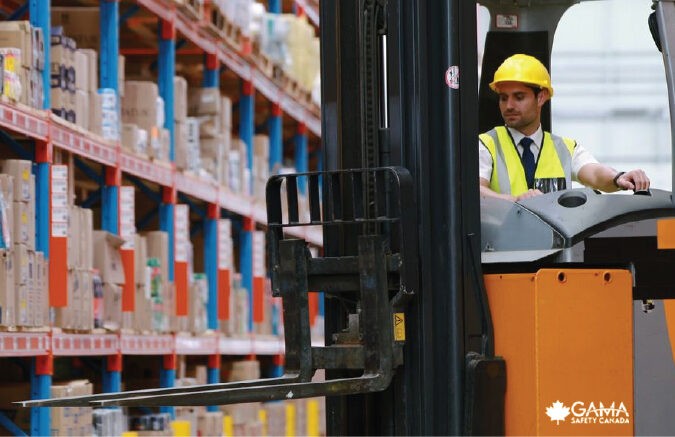
Stand Up Reach training is designed for warehouse workers who operate reach trucks in tight or high-racking environments. The course covers maneuvering, load handling, and stability awareness. Participants learn how to inspect and operate equipment in compliance with workplace safety standards. Training reduces risks of collisions and improves warehouse efficiency.
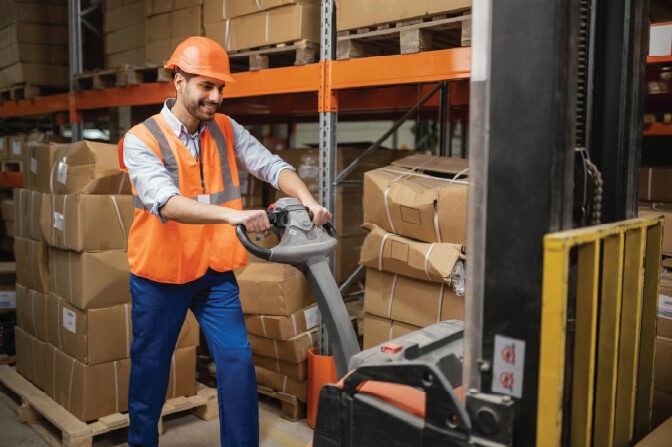
Walk Behind Stacker training provides instruction for workers using powered stackers in warehouses and manufacturing facilities. The course covers equipment controls, safe maneuvering, and load stability. Participants also learn hazard awareness and pre-use inspections. Training ensures compliance while preventing equipment-related accidents.
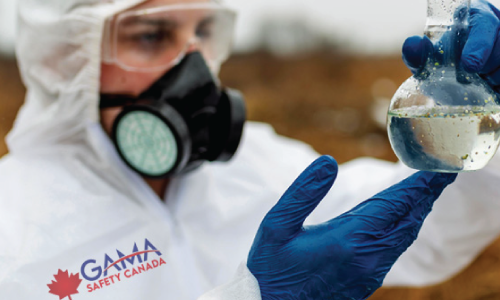
WHMIS training is required for employees who work with or around hazardous products. The course covers labels, Safety Data Sheets (SDS), and safe handling procedures. Participants gain awareness of chemical hazards and their legal responsibilities under Canada’s Hazardous Products Act. Certification ensures compliance and promotes safer workplaces.
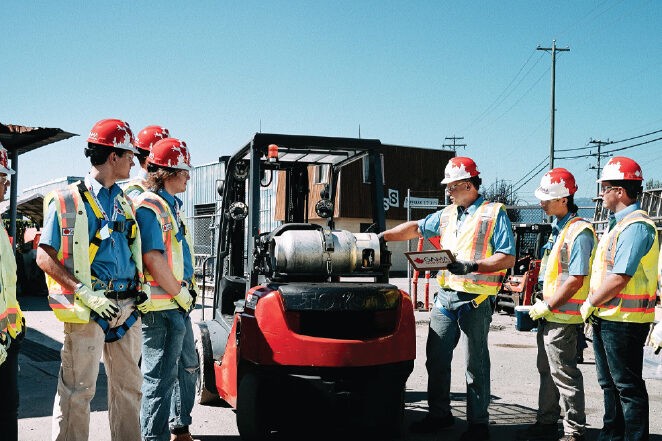
Forklift Operator training equips workers with the skills to operate powered industrial trucks safely. Participants learn pre-operation inspections, load handling, safe driving techniques, and accident prevention strategies. The course also emphasizes legal requirements for certification and workplace compliance. Completing this training reduces the risk of forklift-related incidents while improving productivity in warehouses, factories, and construction sites.
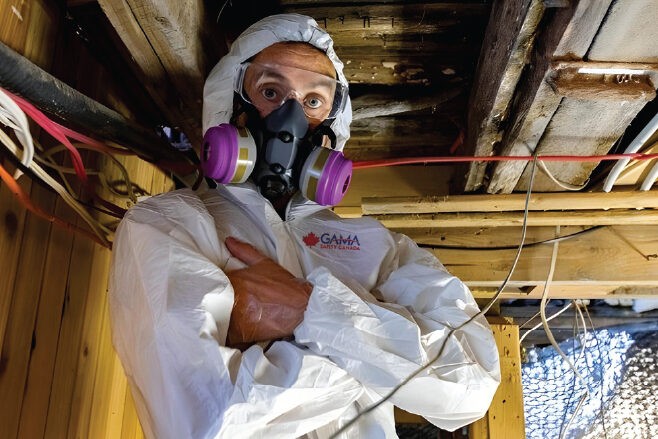
Respirator Fit Testing ensures that workers’ protective masks form a proper seal to guard against dusts, fumes, gases, and other airborne hazards. The session tests both comfort and functionality of respirators in real working conditions. Employees also receive instruction on proper use, care, and limitations of respiratory protection. Testing and training are required by Canadian regulations for anyone exposed to airborne contaminants.
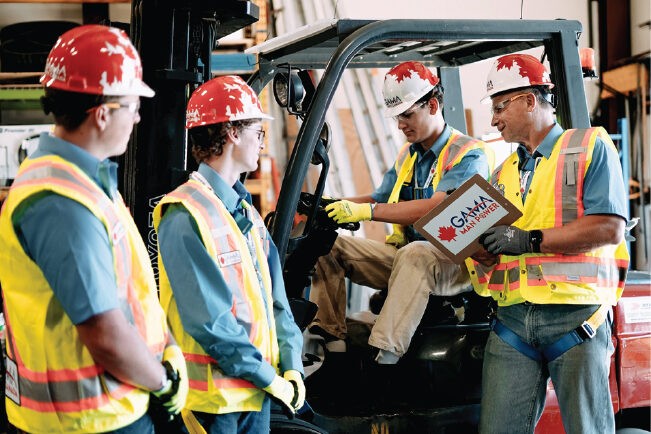
Rough Terrain Forklift training is required for operators who use forklifts on uneven or unstable ground, such as construction and industrial sites. The course teaches safe handling, load stability, and hazard awareness. Participants also learn pre-operation inspection and compliance with provincial OHS standards. Training helps prevent rollovers and accidents in challenging outdoor environments.
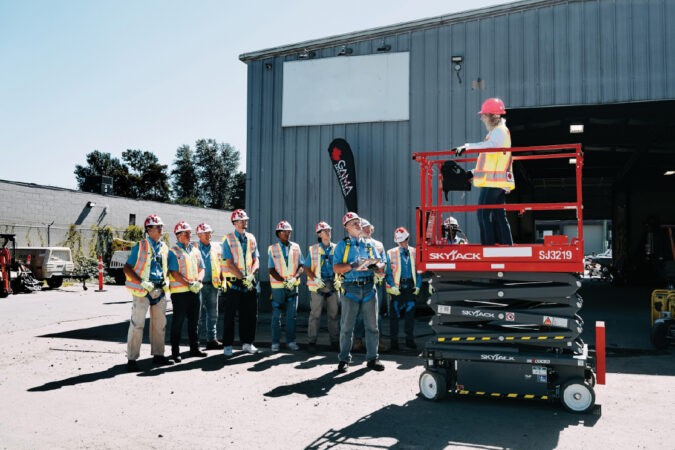
Scissor Lift training is required for workers using scissor lifts in construction and industrial settings. The course covers stability, load distribution, and fall protection requirements. Participants also learn inspection procedures and emergency controls. Training ensures compliance with OHS standards and promotes safer elevated work.
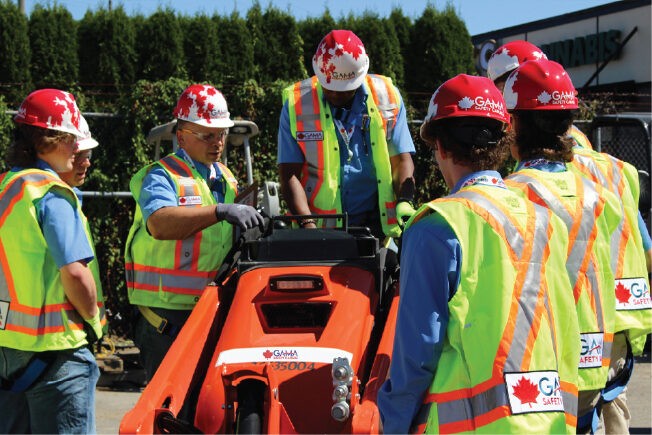
Skid Steer training equips workers with the knowledge to safely operate skid steer loaders. The course covers machine controls, attachment use, and pre-shift inspections. Participants also learn about stability, safe driving practices, and regulatory compliance. Certification ensures safe operation of skid steers in construction, landscaping, and industrial workplaces.
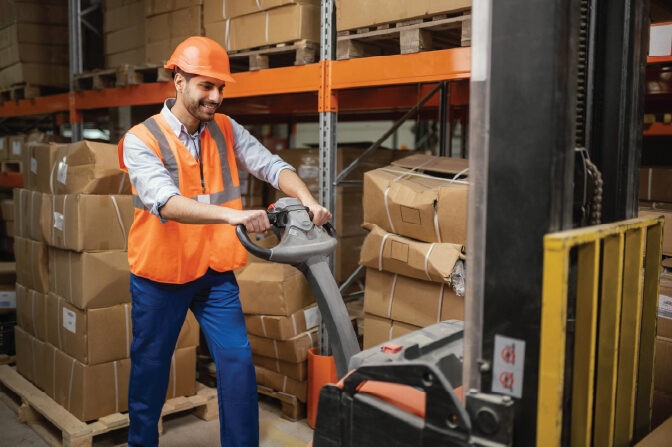
Walk Behind Stacker training provides instruction for workers using powered stackers in warehouses and manufacturing facilities. The course covers equipment controls, safe maneuvering, and load stability. Participants also learn hazard awareness and pre-use inspections. Training ensures compliance while preventing equipment-related accidents.
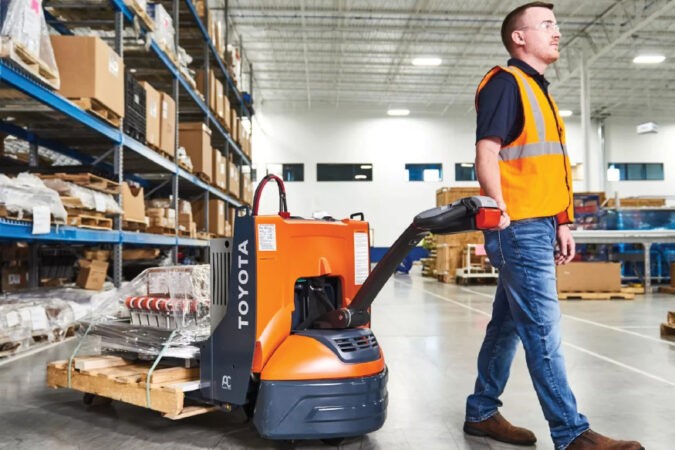
The Power Walkie Safety Training Course is designed to provide operators with the knowledge and practical skills required to safely operate powered pallet jacks (also known as walkies, walkie-riders, or electric pallet jacks). Because these machines handle heavy loads and operate in fast-paced environments, proper training is essential to prevent workplace injuries, pedestrian accidents, and property damage.
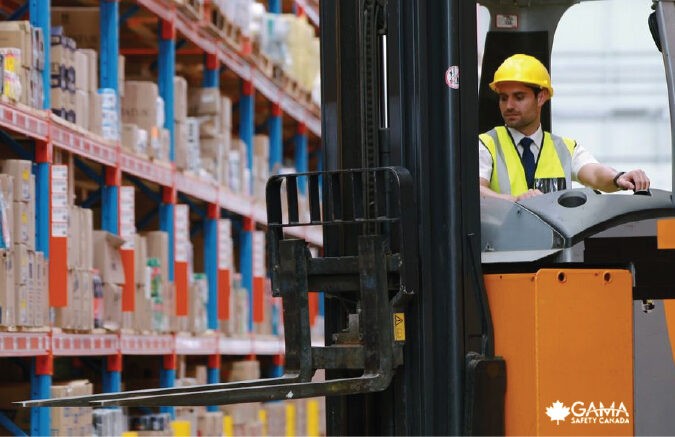
Stand Up Reach training is designed for warehouse workers who operate reach trucks in tight or high-racking environments. The course covers maneuvering, load handling, and stability awareness. Participants learn how to inspect and operate equipment in compliance with workplace safety standards. Training reduces risks of collisions and improves warehouse efficiency.
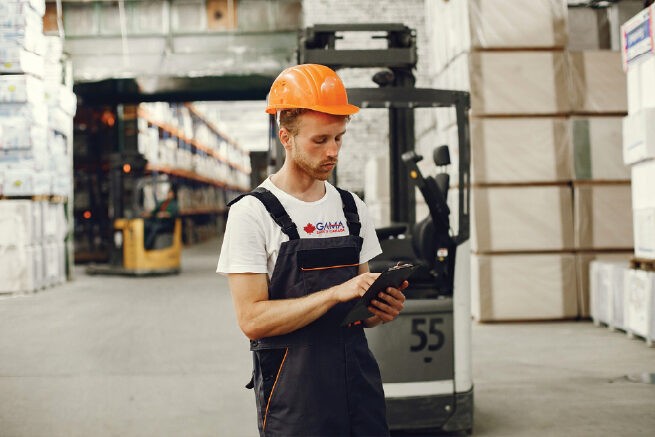
Order Picker training prepares workers to operate elevated order picker equipment in warehouse and distribution environments. The course covers pre-operation inspections, stability awareness, and safe material handling practices. Participants gain knowledge of workplace regulations for powered lift equipment. Completing this training reduces risks of falls, collisions, and improper load handling.
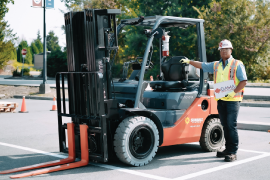
SDCB (Sit-Down Counterbalance) Forklift training is for workers who operate counterbalance lift trucks. The course covers safe driving, load handling, and hazard awareness. Participants also learn pre-operation inspections and regulatory requirements. Training ensures compliance and reduces the risk of forklift accidents.
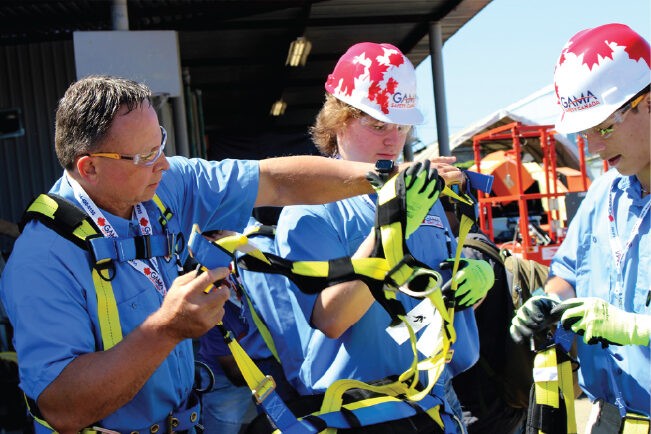
Fall Protection training is mandatory for workers performing tasks at height, including scaffolding, ladders, and elevated platforms. The course covers fall hazards, harness inspection, anchor points, and the correct use of fall arrest systems. Workers learn how to plan and execute work at heights safely while following OHS regulations. This training helps prevent falls—the leading cause of workplace fatalities in construction and related industries.
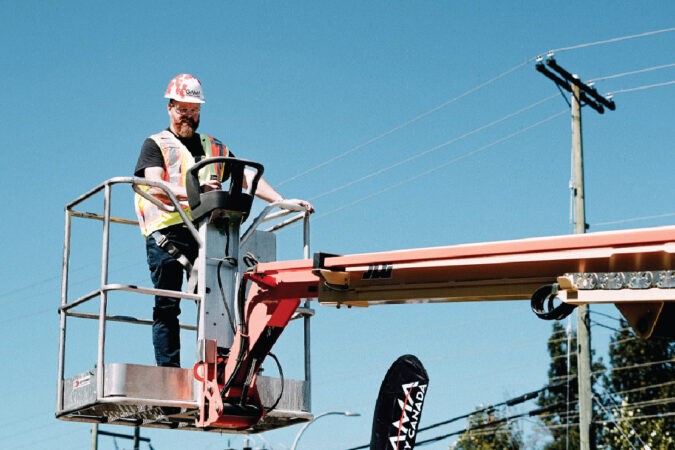
Boom Lift training prepares workers to safely operate articulating and telescopic boom lifts. The course includes hazard recognition, equipment inspection, and safe operation practices. Participants learn about fall protection requirements and regulatory compliance. Certification helps reduce the risks associated with elevated platform work.
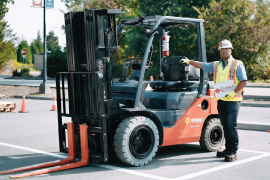
SDCB (Sit-Down Counterbalance) Forklift training is for workers who operate counterbalance lift trucks. The course covers safe driving, load handling, and hazard awareness. Participants also learn pre-operation inspections and regulatory requirements. Training ensures compliance and reduces the risk of forklift accidents.
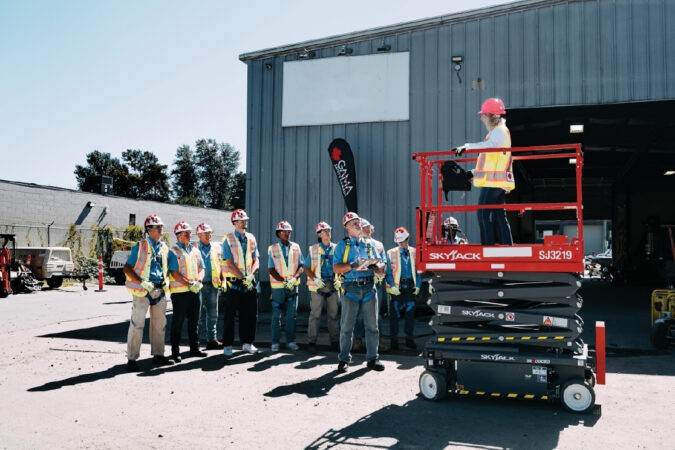
Scissor Lift training is required for workers using scissor lifts in construction and industrial settings. The course covers stability, load distribution, and fall protection requirements. Participants also learn inspection procedures and emergency controls. Training ensures compliance with OHS standards and promotes safer elevated work.
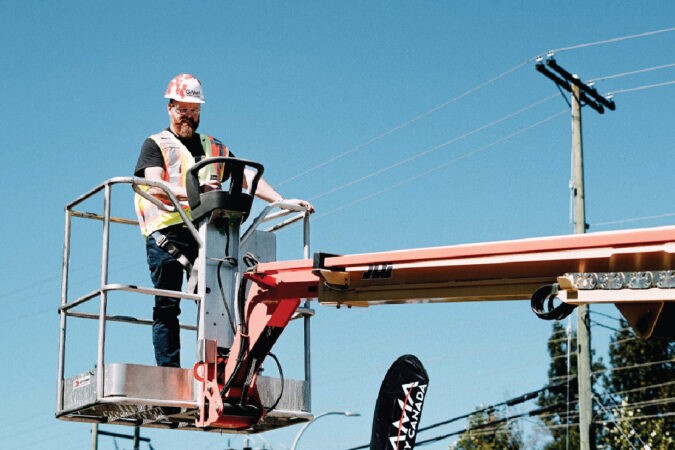
Boom Lift training prepares workers to safely operate articulating and telescopic boom lifts. The course includes hazard recognition, equipment inspection, and safe operation practices. Participants learn about fall protection requirements and regulatory compliance. Certification helps reduce the risks associated with elevated platform work.